
Diamond Tools Manufacturer in China
- Standard Fan-Segment Grinding Shoes
- Metal-Bond Grits from #16 to #120
- Bond Options for Different Concrete Hardness
- PCD Tools for Epoxy and Coating Removal
- Custom Design, Mold Fabrication and Bulk Supply
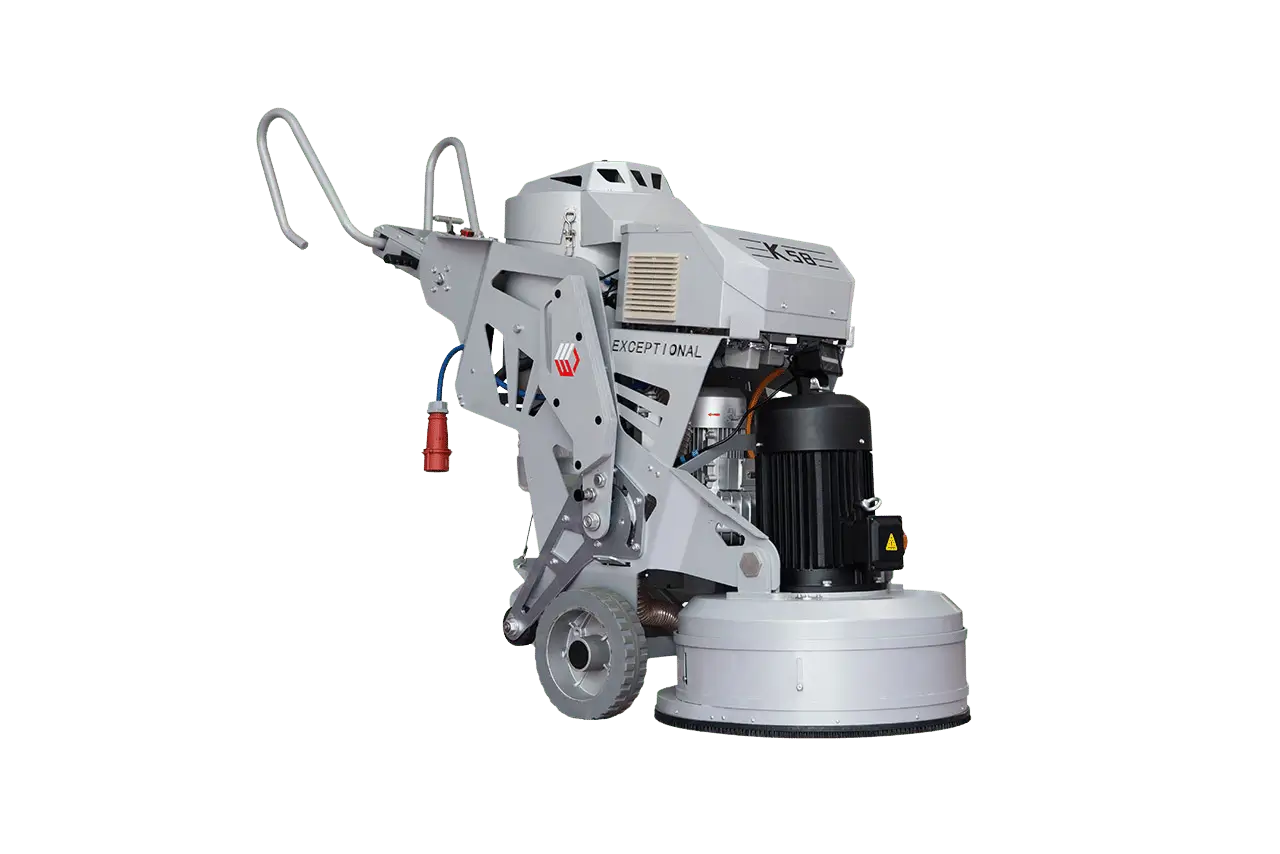
K58 Floor Grinder
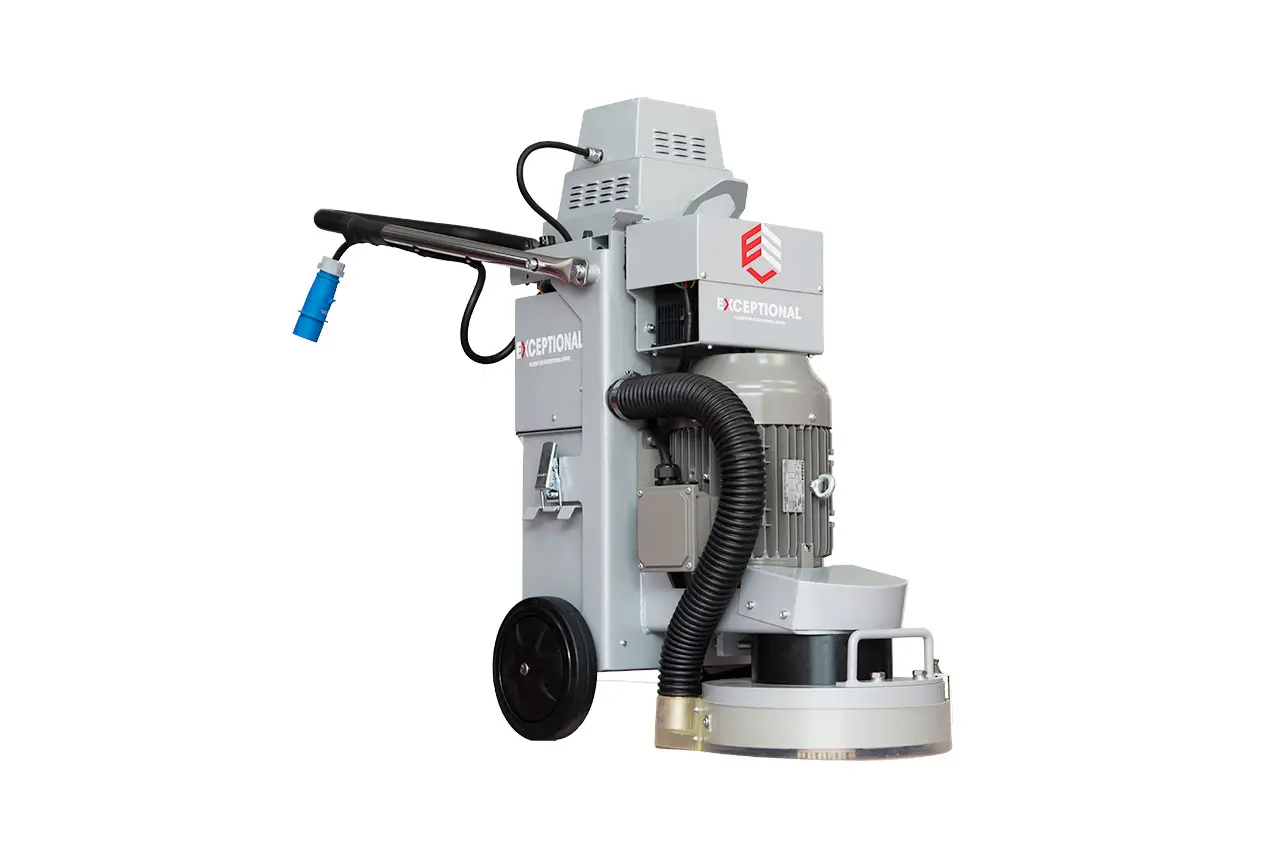
YM-320V Floor Grinder
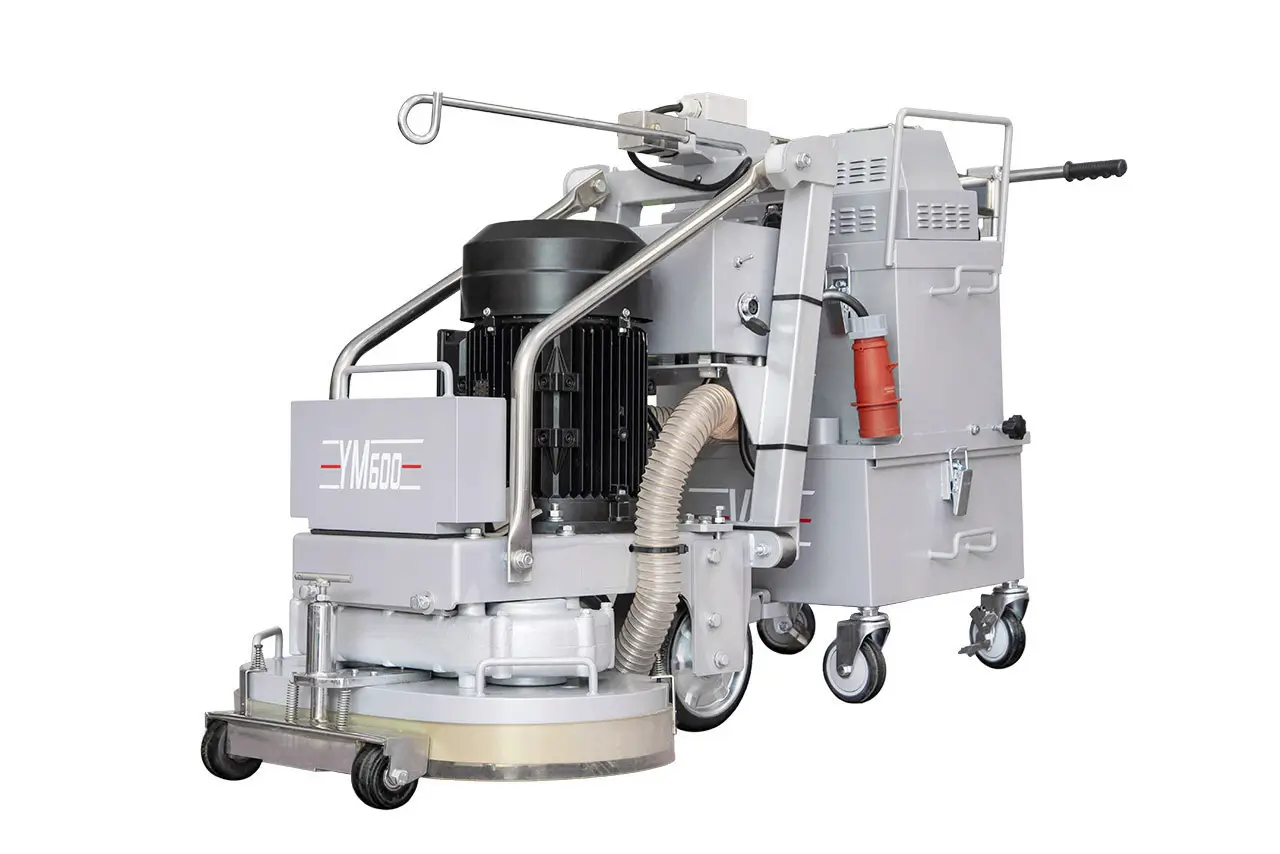
YM-600 Concrete Floor Grinder
What Are Diamond Tools for Floor Grinding?
Floor-grinding diamond tools are replaceable abrasive components fitted to the grinding heads of concrete floor grinders. Industrial diamond particles are held within a metal, resin or specialized cutting matrix. As the tool moves across the floor, the bond gradually wears and exposes new diamond particles, allowing the tool to continue grinding, cutting or polishing.
A suitable diamond tool must match both the machine and the floor. The most important selection factors are:
- Floor material and surface hardness
- Coating type and thickness
- Required removal rate
- Initial floor condition
- Grinding or polishing stage
- Wet or dry operating method
- Grinder mounting system
- Desired surface profile or final finish
The terms diamond grinding shoes, concrete grinding segments, floor grinder blades, diamond grinding discs, metal-bond tools and concrete polishing tools are frequently used for related product types.
Standard Fan-Shaped Diamond Grinding Shoes
Fan-shaped or wing-shaped metal-bond grinding shoes are widely used for concrete floor preparation. The curved segment geometry provides a practical balance between cutting performance, stability and service life. Standard products can be manufactured with one or two fan segments, different diamond grit sizes and bonds selected for soft, medium or hard concrete.
There is no single universal industry size for every diamond grinding shoe. Mounting plates and quick-change systems differ between machine brands. Current commercial systems use one, two or sometimes three segments, multiple connectors and grits from coarse #16 through finer grades. Some premium systems use segments approximately 13 mm high.
Common specification options
| Parameter | Common options |
|---|---|
| Segment geometry | Fan, wing, bar, rectangular, arrow, round or button |
| Segments per shoe | Single, double or machine-specific multi-segment |
| Coarse grits | #16, #20, #25 and #30 |
| Medium grits | #40, #50, #60 and #80 |
| Fine grits | #100, #120 and #150 |
| Bond hardness | Extra-soft, soft, medium, hard and extra-hard |
| Typical segment height | Approximately 10–13 mm, depending on design |
| Reference segment size | Approximately 40 × 10 × 10 mm for some conventional shoes |
| Mounting method | Bolt-on, magnetic, slide-on or machine-specific quick change |
| Operating method | Dry, wet or application-specific |
| Segment quantity per set | Determined by the grinder head and grinding plate |
The 40 × 10 × 10 mm dimension is a common reference for some trapezoid-style metal-bond segments, but it is not a universal size. Final dimensions should always be confirmed against the machine’s grinding plate, mounting drawing or physical sample. One manufacturer’s standard trapezoid specification, for example, lists a 40 × 10 × 10 mm segment.
How to Choose Diamond Tools by Floor Type
1. Concrete and cement floors
For new concrete, surface opening, leveling, roughening, renovation or preparation before densifier application, use metal-bond diamond grinding shoes. Coarse grits such as #16 or #30 provide more aggressive material removal, while #60 to #120 tools refine scratches and prepare the surface for polishing.
Concrete hardness must be considered when choosing the bond. Hard concrete generally requires a softer bond so new diamonds remain exposed. Soft or abrasive concrete normally requires a harder bond to reduce premature tool wear. This selection principle is reflected in Husqvarna’s soft-bond tool for extremely hard concrete and hard-bond tool for extra-soft, abrasive surfaces.
2. Epoxy floors
Old epoxy coatings, self-leveling layers, adhesives, putty and mortar residues often require arrow-shaped tools or PCD grinding shoes. PCD cutters fracture and lift coatings instead of slowly grinding through them.
The Class A YM-16 and PGYM-16 arrow tools can be used for old epoxy removal and aggressive surface preparation. PC grinding knives are suitable for removing epoxy coatings, polyurethane, polypropylene and self-leveling materials.
3. Carborundum and wear-resistant floors
Carborundum, emery and hardened industrial floors require wear-resistant metal-bond tools selected according to the surface hardness. YM-16, PGYM-16 and SX-2 tools are designed for leveling, roughening and grinding hard concrete, carborundum and wear-resistant flooring.
When the floor is particularly dense or hard, a softer bond can help maintain diamond exposure and grinding efficiency.
4. Terrazzo and stone floors
Terrazzo and natural stone renovation normally progresses from controlled metal-bond grinding to finer grinding and polishing. SX-2 and GD-2 tools can be used for initial grinding and surface correction on hard terrazzo and stone floors. Finer metal tools, resin polishing pads and polishing plates can then refine scratches and create a crystalline or polished finish.
5. Polyurethane and painted floors
Old polyurethane, paint and resin-based coatings should normally be removed with PCD tools, arrow segments or other aggressive coating-removal cutters. After the coating is removed, metal-bond grinding shoes can prepare the substrate and produce the surface profile required for the replacement flooring system.
How to Choose the Correct Diamond Grit
Coarse grinding: #16 to #30
Recommended for:
- Heavy concrete leveling
- Opening dense concrete
- Exposing aggregate
- Removing surface contamination
- Aggressive floor roughening
- Preparing uneven industrial floors
Medium grinding: #40 to #80
Recommended for:
- General concrete grinding
- Removing coarse-tool scratches
- Floor refinement
- Preparing concrete for coatings
- Light surface correction
Fine grinding: #100 to #150
Recommended for:
- Fine scratch removal
- Pre-polishing preparation
- Refining repaired floors
- Preparing for resin polishing pads
- Producing a smoother surface profile
The attached product range includes YM and PGYM tools in #16, #30, #60, #80 and #120 options, allowing buyers to create a progressive grinding sequence.